Picture This: The Grassroots Clubs Building a Proper Matchday Photo Desk
Tuesday night, 7.42pm, sports hall. The whistle goes, the first serve lifts, and someone’s phone is already up. For years that someone was a parent, a sub, or a player waiting to rotate on. In 2026-27, more UK clubs are turning that random act into a proper role: the matchday photographer.
This is not about turning grassroots volleyball into a broadcast product. It is about recognising that a club’s visual record has become part of how it runs — for players, parents, sponsors and the people who might join next season. A good set of matchday photos does more than fill a social grid. It builds identity, proves the club is active, and gives players something to show for a cold Thursday in a leisure centre.
From Favour to Fixture
The old model was simple. Someone took a few photos, maybe sent them to the club WhatsApp group, and that was that. The new model is a bit more deliberate. Clubs are naming a volunteer photographer, setting up a rota, or asking the social-media admin to work from a simple shot list. Some are giving the role a title — visual lead, media volunteer, matchday snapper — but the job is the same: capture the night properly.
That shift matters because clubs are asking more of their online presence. Fixtures, results, player milestones, sponsor thank-yous and junior recruitment all need images. Without a steady supply, the club account ends up recycling the same three photos from September. With a rota, even a modest grassroots side can build a season-long archive without leaning on one exhausted parent every week.
What Makes a Matchday Photo Actually Work
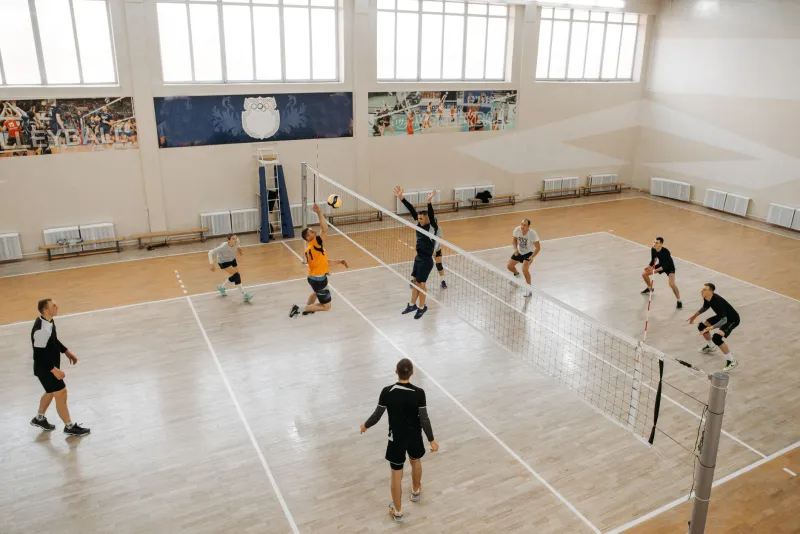
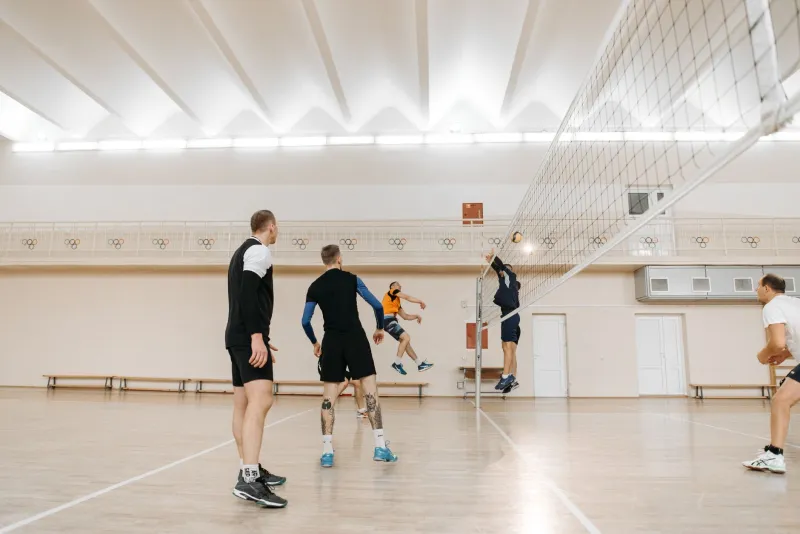
A usable volleyball photo is not just a photo taken during volleyball. The best ones show action, context and people. A clean hit at the net is great. A team huddle after a tight set is great. A bench reaction, a warm-up rally, a scoreboard at 24-24, a handshake at the end — these are the frames that tell the story of a club night.
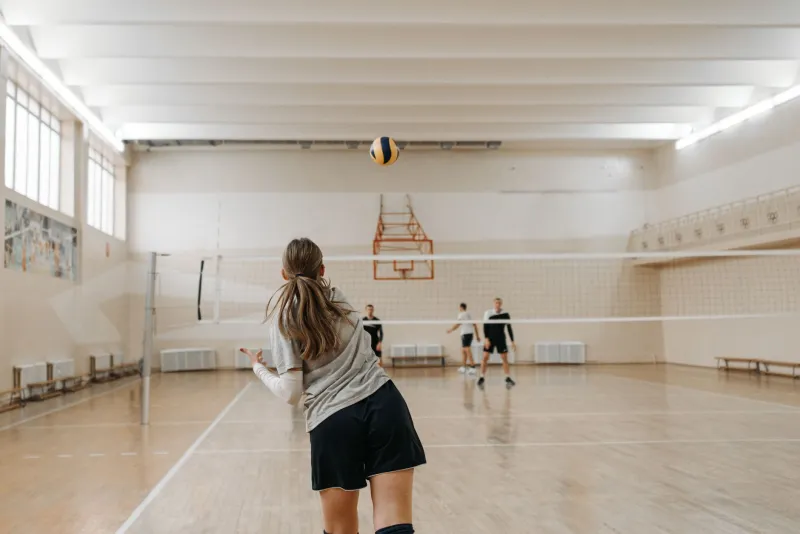
Action shots are the hardest. Sports hall lighting is often poor, the ball moves fast, and the background is a wall of criss-crossed lines and half-open doors. The practical fixes are not glamorous. Get low or shoot from the baseline. Use burst mode. Tap to focus on the player, not the net. Avoid digital zoom. Wipe the lens. Hold the phone with two hands and keep it steady. A sharp photo of a defender reading the tip is worth more than a blurry spike from the back of the hall.
Clubs should also think about variety. A full set that only shows serves will feel flat. Mix in warm-ups, timeouts, players encouraging each other, the coach’s clipboard, the club banner, and the post-match handshakes. Horizontal images work well for websites and match reports; vertical images suit social stories. If the volunteer can grab a few of both, the club has options.
The Consent Bit Nobody Wants to Skip
This is where a good photo desk becomes a responsible one. Grassroots volleyball includes junior teams, school-age players and adults who may not want their image online. Clubs need a clear photo consent process, not a vague assumption that anyone in the hall is fair game.
At minimum, clubs should know who is under 18, which players or parents have opted out, and what the club’s policy says about naming minors alongside images. A simple opt-out list, checked before publishing, is better than a panicked deletion later. Avoid publishing full names with junior photos unless consent is clear. Be careful with images that show school logos, club addresses or anything that identifies where a young player will be on a given night.
UK GDPR basics apply too: store images sensibly, limit who has access to the club drive, and do not keep everything forever just because cloud storage is cheap. If a player asks for a photo to be taken down, deal with it quickly and politely. And if the club is shooting at a school, leisure centre or league event, check the venue or competition rules first. It is not the most exciting part of the job, but it is the part that keeps the club on solid ground.
Building an Archive, Not Just a Grid
A matchday photo desk is most valuable when it thinks beyond this week’s post. A well-organised folder — season, team, date, opponent — becomes a club archive. That archive can supply player profiles, end-of-season awards, sponsor decks, recruitment flyers and AGM highlights. It also gives newer players a sense of belonging. Seeing yourself in a proper action shot, even in a Division Three hall on a wet Wednesday, does something for pride.
Sponsors notice it too. Local businesses want to see that their logo is part of a living club, not a static name on a website. Good photos of match nights, junior sessions and club events make the case better than a paragraph of copy. Clubs do not need a professional camera kit to do this. A modern phone, a steady hand and a bit of thought will cover most grassroots needs.
The Rota Reality
The biggest risk is burnout. One enthusiastic photographer can become the club’s entire media department by accident. The fix is to spread the load. Build a rota across home games. Write a one-page brief: the shots we want, the consent rules, where to save the files. Pair the photographer with the social admin so images are edited and posted by someone who knows the club’s voice. Credit the volunteer where appropriate, and make it easy for them to say no when life gets busy.
Clubs hunting for their own matchday photographers are really hunting for memory, proof and connection. The camera never misses because the club finally has someone pointing it in the right place. If your club has not put the role on the agenda yet, the next home game is a decent place to start.