Kettle On, Game On: The Club-Room Buffet That Builds UK Volleyball Teams
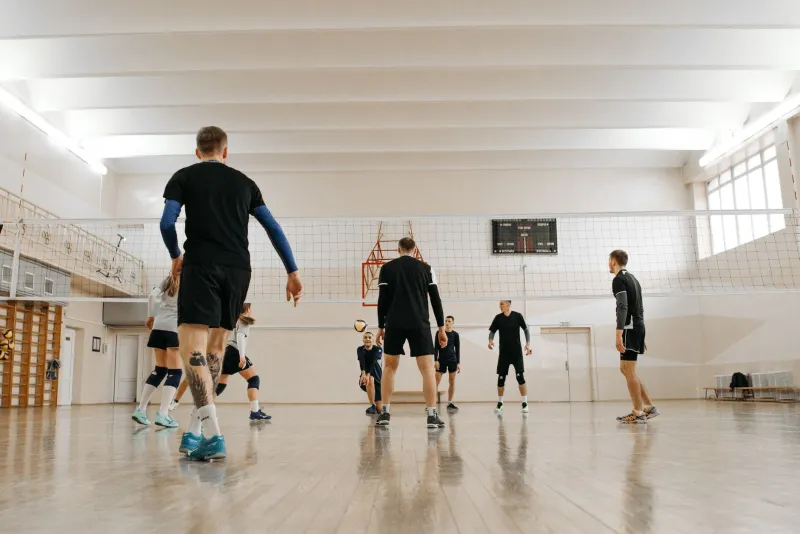
The whistle goes, the handshakes are done, and the net comes down. In plenty of UK volleyball clubs, that is the moment the real club business begins: someone wrestles a folding table into position, a kettle starts its slow rumble, and a plastic tub of flapjack appears like a trophy from a cupboard under the stairs.
It is easy to treat the post-match spread as an afterthought — a nice extra if there’s time, a job for whoever forgot to volunteer for line judging. But spend a few Tuesday nights in church halls and sports centres around the country and a different picture emerges. The tea table is where new players settle in, where away teams judge their hosts, and where the club’s culture quietly gets passed around with the milk jug.
More Than a Brew and a Biscuit
Volleyball in the UK runs on volunteers. Coaches, scorers, transport organisers, kit managers, the person who knows which cupboard the good pump is in — all of them keep clubs moving. The post-match crew belongs on that list. They are not just feeding people; they are giving players a reason to hang around after the final point.
That matters for retention. A newcomer can enjoy a match and still drift away if the club feels like a transaction: turn up, play, go home. The spread changes the rhythm. It creates a soft landing after the intensity of a close set, a space where a nervous beginner can ask a silly question without feeling like they are interrupting training. A captain might use the time to check in with a player who has been quiet. A coach can hear what actually worked — or didn’t — without the pressure of a formal review.
For away teams, the spread is part of the club’s hosting reputation. A warm hall, a clear sign for the tea, and something vegetarian that isn’t just a lonely slice of cucumber sends a message: this club has its act together. That reputation travels. Captains talk. Fixtures get remembered. And when a club is trying to attract players, supporters or volunteers, being known as a good place to spend a Saturday afternoon is worth more than a flashy social media post.
The Church-Hall Economy
The beauty of UK volleyball’s post-match culture is that it rarely looks glamorous. It looks like a urn of tea, a stack of squash bottles, a tray of sausage rolls, and a plate of something homemade that someone’s mum insisted on sending. In bigger club socials, it might be a proper buffet with hot food and dietary labels. In smaller grassroots settings, it might be biscuits and a lot of goodwill.
Both can work. The mistake is assuming it has to be expensive or elaborate. Most clubs are not trying to rival a wedding reception. They are trying to say: stay for ten minutes, you’re part of this. That simple invitation does a lot of heavy lifting.
Club cooks and tea volunteers tend to be practical people. They know that a huge spread can become a huge stress if the same two people are left to do it every week. They know that a rota is less romantic than a homemade cake but far more sustainable. And they know that the best spreads are the ones that fit the venue: no one wants to carry a slow cooker up three flights of stairs to a sports hall with no plug sockets.
What Newcomers Actually Notice
Ask a new player what made them feel welcome and they rarely mention the warm-up drill. They mention someone saving them a seat. They mention being handed a mug. They mention a captain asking if they were OK after a mistimed receive, then offering them the last slice of something.
The post-match table is a low-pressure social space. That is its superpower. Not everyone wants to go to the pub. Not everyone can stay late. But almost everyone can stand around for a few minutes with a drink and a snack. For students, it is a chance to decompress before the walk home. For older players, it is a reason to keep the evening free. For parents dropping off junior players, it can be the difference between a club that feels friendly and one that feels closed.
It also gives clubs a chance to show a bit of personality. One club might have a legendary tray bake. Another might run a “first home match” cake. A third might simply have the best tea in the league. These small traditions become part of the club’s identity — the sort of detail that makes people come back even when the season gets cold and the fixtures get awkward.
Raising Your Post-Match Game Without Blowing the Budget
The good news is that a strong spread is more about systems than spending. A few practical moves can lift the whole ritual:
- Build a rota early. Two volunteers per home match, with a backup, is better than a heroic effort that burns out by November. Put it in the fixture list, not in someone’s head.
- Keep the core simple. Tea, squash, water, and one or two snacks are enough. Add hot food for bigger matches or club socials. Consistency beats ambition.
- Label dietary options. A clear sign for vegetarian, vegan and gluten-free items takes seconds and makes a big difference. It is also a basic hosting courtesy.
- Set a small budget. Even £1–£2 per head can cover the basics if someone shops sensibly. Club funds, a small matchday charge or a local bakery donation can all help.
- Use the venue’s limits. Flask tea urns, insulated jugs and no-cook snacks work in halls without kitchens. Don’t design a menu around equipment you don’t have.
- Give newcomers a job. Not a heavy one — just asking them to put out cups or help carry a tray makes the table a shared space rather than a clique.
- Plan the clean-up. The spread is only as good as the handover. A quick clear-up rota protects the volunteers and keeps venues happy.
The Third Half Belongs to Everyone
UK volleyball doesn’t have the crowds or the broadcast deals of bigger sports, but it has something genuinely valuable: a club culture built around people staying a little longer than they need to. The post-match spread is part of that. It is not the reason clubs win matches, but it is one of the reasons they keep their players.
So next time you see someone filling the kettle while everyone else is packing away the posts, remember that they are doing more than making tea. They are holding the club together — one mug, one flapjack, and one “good game” at a time.