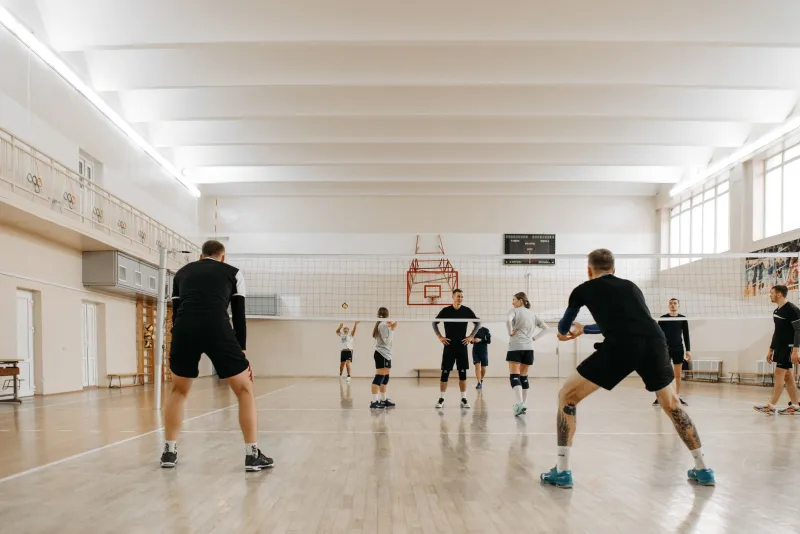
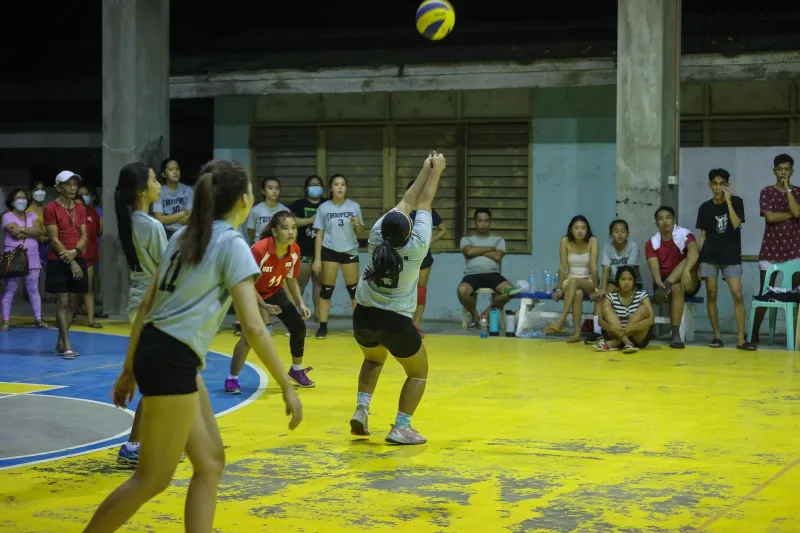
The November Rewire: Why Smart UK Volleyball Clubs Are Hitting Refresh Before the Winter Slog

November has a reputation problem in UK volleyball. The clocks have gone back, the sports hall car park is dark by the time training starts, and the league table has stopped being a rumour and started being a verdict. For plenty of clubs, this is the point where the season becomes a grind: turn up, get the session done, hope the fixtures fall kindly.
But there’s a smarter pattern emerging. Across grassroots clubs, campus programmes and regional league set-ups, coaches are using November as a proper reset point — not a full pre-season replay, and definitely not a panic button, but a deliberate pause to check what’s working, what’s leaking and what the second half of 2026-27 actually needs.
Call it the November rewire. It’s less about tearing things up and more about tightening the connections before the winter schedule gets its teeth into everyone.
Why November feels like a second pre-season
By early November, most UK teams have had enough matches to know something real. The opening-week nerves have gone. The fixtures have thrown up a few surprises. Players have settled into roles — sometimes the wrong ones — and the training habits that felt fresh in September are starting to look suspiciously like routine.
That makes November a rare window. It’s early enough to change the story of a season, but late enough to have evidence. A club sitting mid-table in a regional league can look at its serve-receive numbers and decide whether the problem is technique, positioning or communication. A BUCS squad can spot that its second set of hitters is getting few meaningful rallies. A grassroots side can finally admit that the Tuesday session has become a hitting drill with a warm-up attached.
Smart clubs don’t wait for January to fix that. They use the darker weeks to audit, adjust and re-energise while there’s still room to move.
The skills audit: find the leaks before they flood
The best November reset starts with a simple question: what is actually costing us points? Not what feels bad, not what looked ugly in the last match, but what keeps repeating.
Coaches who do this well tend to split the audit into three buckets: serve and pass, side-out efficiency, and transition. In grassroots volleyball, those areas often tell the real story. A team might have a brilliant outside hitter and still lose close sets because the first contact is shaky. Another might train blocking for weeks and then discover that free-ball control is the actual issue.
The trick is to make the audit visible. A whiteboard, a shared spreadsheet, a five-minute chat before training — it doesn’t need to be a data project. It needs to give the squad a shared language for the next block of work. If the pass is the problem, the session changes. If the problem is decision-making under pressure, the drills change. If the problem is that nobody talks after the first whistle, the reset is cultural as much as technical.
That’s the first real win of November: replacing vague frustration with a specific plan.
Rotation is a tool, not a roulette wheel
Mid-season is also when squad rotation becomes a serious conversation. Injuries build up, work commitments bite, and students disappear into essay deadlines. Clubs that rely on the same six players for every rally often find that by December the tank is empty and the bench is cold.
But rotation isn’t about randomly swapping people to keep everyone happy. The smart version is deliberate. It gives developing players real minutes in low-risk situations, protects key players from overuse, and creates a squad that can cope when someone is unavailable.
For coaches, that might mean starting a different passer against a weaker opponent, giving a younger middle a full set to build rhythm, or using training to rehearse two different line-ups rather than one. For captains, it means making the bench feel involved: clear roles, specific feedback, and no mystery about why a change is happening.
A November reset is a good time to ask whether the team’s depth is real or theoretical. If the answer is theoretical, there’s still time to change it.
Fitness that fits the dark nights
There’s a temptation in winter to go harder in the gym and hope it carries over. But UK volleyball clubs often need the opposite: fitness work that fits around tired legs, limited hall time and the reality of cold-weather commutes.
Smart November fitness tends to be short, specific and repeatable. A ten-minute block of landing mechanics before training. A simple conditioning circuit that doesn’t leave players wrecked for the weekend fixtures. Mobility work that addresses the shoulders and ankles rather than being an afterthought. The goal isn’t to build a pre-season beast in November; it’s to keep players robust enough to train well and compete consistently through the winter.
Clubs that share the load do better here. A coach doesn’t have to run every warm-up. A senior player can lead the mobility block. A student club can put a simple recovery guide in the group chat. The reset is as much about sustainability as intensity.
Goals that survive the table
One of the most useful November conversations is about goals — and how quickly they need updating. A team that started the season aiming for a top-half finish might now be chasing promotion. Another might need to park the table entirely and focus on process goals: better first-contact decisions, fewer unforced errors, more communication in transition.
That doesn’t mean lowering ambition. It means making ambition useful. A goal like “play better” is impossible to train. A goal like “win the serve-receive battle in the first ten points of each set” gives players something to do on the next rally.
For clubs at every level, November is a chance to reconnect the league table with the training hall. If the table says one thing and the sessions are saying another, the reset is overdue.
The 45-minute reset meeting
You don’t need a weekend away or a sports scientist on the payroll. A 45-minute squad meeting can do a lot: review the first block of the season, agree two priorities, name the non-negotiables, and set the tone for the next six weeks. Keep it honest, keep it short, and leave room for players to flag what’s not working.
The best versions of this meeting don’t become a post-mortem. They’re forward-facing. What are we keeping? What are we changing? What does a good November session look like? Those three questions can shift a team’s mood faster than another hour of drills.
The takeaway
November doesn’t have to be the month where UK volleyball seasons quietly lose their spark. Treated properly, it’s a genuine opportunity: a mid-season rewire that sharpens the skills, freshens the squad and resets the goals before the winter schedule really bites.
The clubs that get this right won’t necessarily be the ones with the biggest squads or the flashiest facilities. They’ll be the ones who spot the leaks early, rotate with purpose, keep their players fit and make the second half of 2026-27 feel like a fresh start rather than a slog.