Fortress by Habit: The Matchday Details That Give UK Volleyball Clubs a Real Home Edge

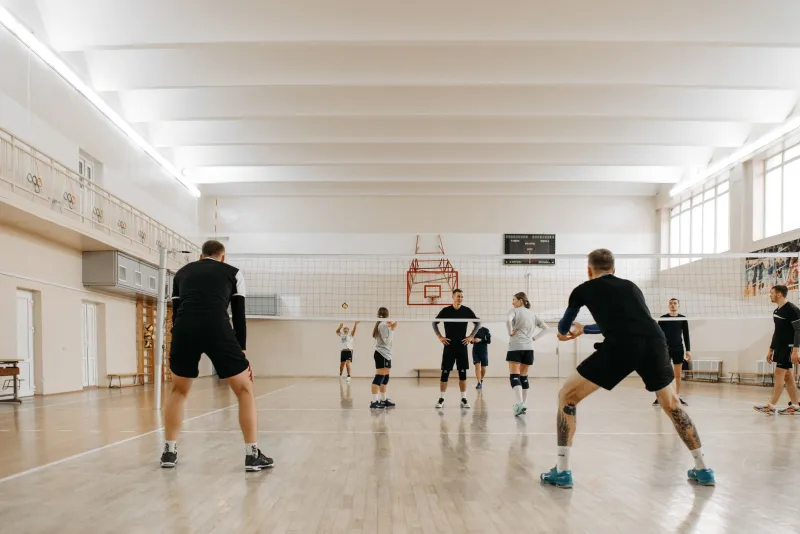
Every UK volleyball club has played in a hall that felt like a waiting room. Neutral walls, a scoreboard with one stubborn digit, a handful of parents on folding chairs and a playlist that somehow makes a warm-up feel like a supermarket run. Then there is the other kind of hall: the one where the home side seems to stand a little taller, where the crowd noise arrives at the right moment and where visiting teams spend the first set working out why everything feels slightly against them.
The gap between those two rooms is not a Premier League budget. It is habit. As the 2026-27 season settles into its winter rhythm, the clubs getting the most from home fixtures are the ones treating matchday like a repeatable operation rather than a weekly scramble. Home advantage in volleyball is not really about painting the walls in club colours. It is about making the hall feel familiar to your players and just unfamiliar enough for everyone else.
Start with a job, not a vibe
The first mistake is assuming atmosphere happens by itself. It does not. Someone needs to own the matchday. That does not mean one person does everything; it means one person knows everything that needs doing and checks it has been done.
A simple run sheet is more powerful than a big idea. When do the doors open? Who sets the net and checks the posts? Who has the scoresheet, the balls and the first-aid kit? When does the warm-up music start, and when does it stop so players can hear each other? Who welcomes the visiting team and shows them the changing room? Who posts the final score?
Clubs that run tight matchdays tend to look calmer on court. Players are not chasing a missing ball bag or asking where the referee is. Volunteers are not doing three jobs badly. The hall feels organised before the first serve, and that quiet competence is the foundation of a proper home court.
The warm-up is your first rally
Crowds take their cues from players, but players also take cues from the room. A consistent warm-up routine helps both. If your team always starts with the same movement pattern, the same pepper sequence and the same serving block, regular supporters learn when to clap, when to stay quiet and when to make noise.
That is why the playlist matters, but not in the way some clubs think. Music should support the routine, not swallow it. Save the loudest track for player introductions or the start of the first set. Keep the volume low enough that coaches can speak and players can hear the whistle. A good matchday DJ is not the person who plays the most songs; it is the person who knows when the hall needs energy and when it needs to let the game breathe.
Player introductions are a cheap win, too. A name, a number and a short clap line cost nothing. Doing it consistently makes the home team feel like the home team. It also gives younger supporters a reason to learn the squad.
Give the crowd a job
A crowd without a role is just a group of people watching. A crowd with a role becomes part of the match. The trick is to keep that role simple and positive.
Designate a small vocal group, but choose the person leading it carefully. The best chant leaders are not the loudest people in the room; they are the ones who can read the game and bring others with them. Simple clap patterns beat complicated songs. Short, repeatable lines beat clever ones. And any chant that targets an individual opponent or official should be left at the door. Volleyball is a small sport with a friendly reputation; home advantage should not come with a side order of embarrassment.
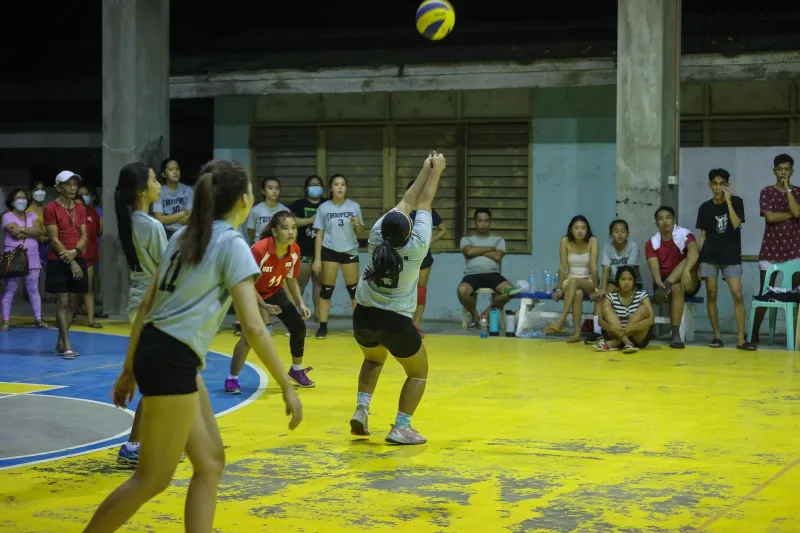
Seating helps, too. If your hall has flexibility, give the vocal supporters a clear home behind one baseline, keep family seating away from the busiest walkway and leave the area near the score table uncluttered. A junior team acting as ball crew can add structure and a sense of occasion. None of this needs to be grand. It just needs to be clear.
Hype online, then deliver offline
Social media is where many clubs find their first supporters, and home fixtures are the easiest thing to promote. A player spotlight, a simple travel note for away fans, a graphic with the venue and throw-in time and a post-match result can all be produced on a phone.
The important word is consistency. A club that posts once a month and then floods the feed on matchday is asking a lot. A club that posts the fixture early, names the venue clearly, shares one human story and then follows up with the result is building a habit for supporters. That habit is what turns a spectator into a regular.
Do not overpromise, either. If the hall is cold, say so. If parking is tight, help people plan. If the match is free, say it loudly. Supporters forgive small venues and limited facilities. They are less forgiving of turning up to a locked door or a fixture that has quietly moved.
Hospitality is part of the scoreline
Post-match hospitality is often treated as an afterthought, but it is one of the most British forms of home advantage going. A kettle, a tray of cakes, a club stall and a few chairs can turn a sports hall into a clubhouse for half an hour.
It also sets the tone for visiting teams. A clear welcome, a decent cup of tea and a place to sit after a long away trip make your club the kind of place people are glad to visit. That goodwill comes back. It makes referees more willing to come back, it makes friendly fixtures easier to arrange and it makes your own volunteers feel appreciated.
Hospitality does not have to be free. A small bake sale or raffle can help club funds, but the main job is belonging. Players stay longer, parents talk to each other and younger members see that a matchday is a club event, not just a two-hour booking.
Noise with a purpose
Home advantage is not the same as volume. A hall can be deafening and still feel flat if nobody knows what they are cheering for. The best home crowds are not relentless. They are responsive. They lift after a long rally, settle before a serve and make a young player feel ten feet tall after a good block.
That is the art form. Not a wall of sound, but a room that knows the game. Build the run sheet, train the crowd, protect the welcome and let the hall do the rest. A fortress is not built in a week. It is built every home game, one small habit at a time.