Hands Wanted: Inside UK Volleyball's Quiet Scramble to Build — and Keep — Its Setters
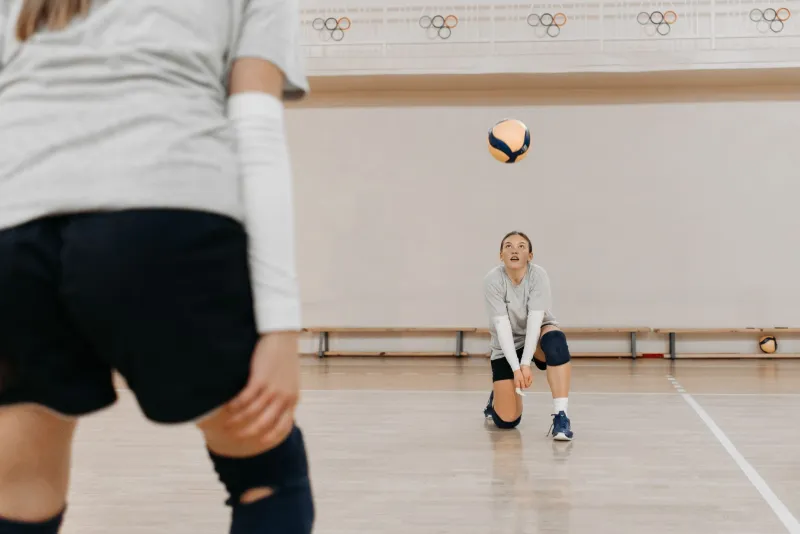
Ask a club secretary in November what they'd pay good money for and the answer rarely involves a new net or a bigger hall booking. It's hands. Specifically, the pair that can turn a scrappy pass into something a middle blocker can actually hit. Setters are the currency nobody has enough of, and the shortage is felt from Division Three upwards.
The Position Everyone Respects and Nobody Trains
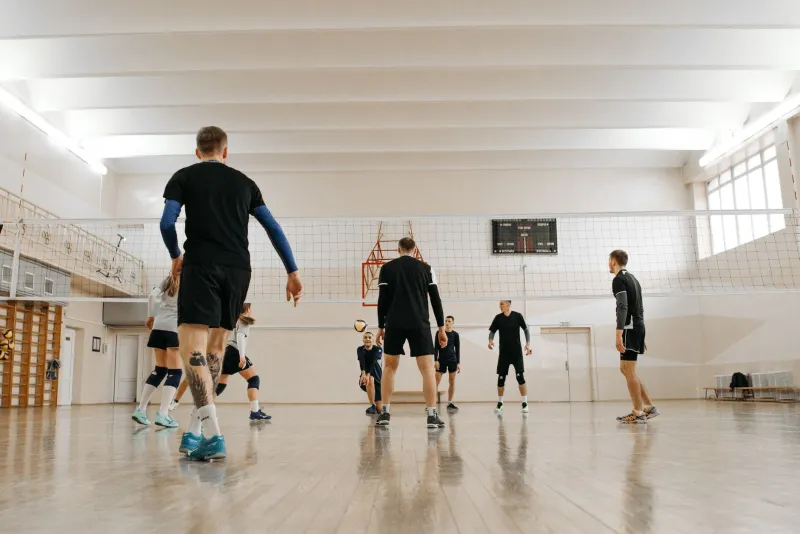
There's a strange contradiction at the heart of UK club volleyball. Coaches talk about setting as the engine room, the quarterback, the piece that makes everything else look better than it is. Then the session plan goes out, and 80 per cent of the court time is spent on attacking and defending. Setting gets ten minutes at the start if it's lucky.
"It's the least glamorous job on the court," says Priya, who coaches a women's NVL side in the Midlands. "You touch the ball more than anyone and get credit for almost none of it. A hitter puts one away off the block and the whole hall erupts. A setter threads a perfect quick into a three-metre gap and there's silence. Kids notice that."
That visibility gap is the first domino. Juniors gravitate towards the roles that get applause, and by the time they're 15 or 16 they've specialised — often by accident rather than design. For every player who genuinely loves the craft of setting, there are five who ended up there because a coach needed someone tall enough to reach the second ball.
Why the Pipeline Leaks
Scratch the surface and the shortage isn't one problem. It's three, stacked on top of each other.
The specialisation trap. Club coaches under pressure to win junior fixtures tend to put their best all-rounder at setter and leave them there. That's fine for results at 14. It's less fine at 18, when that same player hits a ceiling because their attacking and blocking never developed, and the club has produced one specialist instead of a pool.
The 4-2 comfort blanket. Plenty of grassroots teams run a simple two-setter system because it keeps everyone on the floor and simplifies rotations. It's a sensible entry point — but it also hides the shortage rather than solving it. Clubs can drift for years without ever developing the genuine 5-1 setter who can run tempo and manage a front-row read.
The university reset. Students arrive at BUCS trials having set for a school team, get asked to play outside, and never set again. Four years later they graduate, join a club, and the club discovers that a generation of setters was quietly converted to hitters in a sports hall in Sheffield.
What Clubs Are Actually Doing About It
Solutions are less dramatic than the problem, and mostly they come down to structure and habit.
A setter block in every session
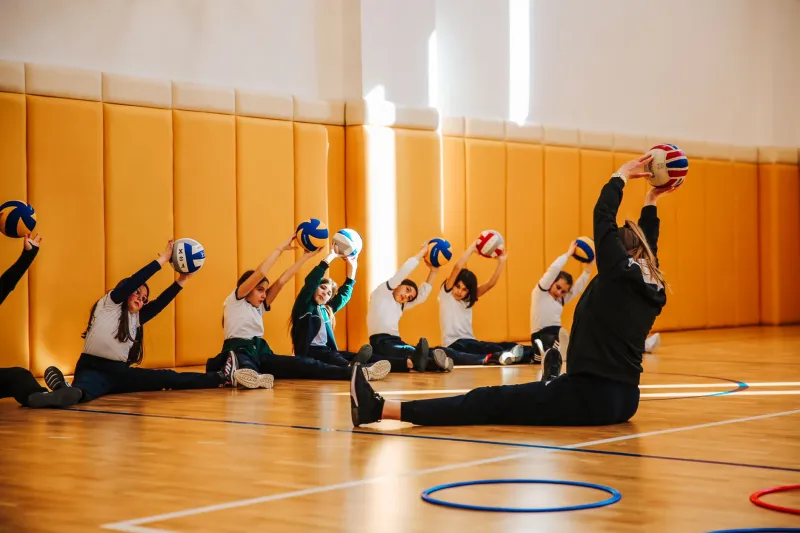
A handful of clubs have stopped treating setting as a warm-up activity and started treating it as its own training stream. Twenty focused minutes, every session, every week, with the same coach. The setter group — often five or six players across two or three teams — works on footwork, hand shape and tempo while the rest of the squad does something else.
The key phrase there is the same coach. Consistency of instruction matters more than volume. A setter who hears three different sets of cues in a fortnight will develop three different, half-formed techniques.
Deliberate conversion, done honestly
Converting a player into a setter works best when it's a conversation rather than a decree. Coaches report far higher retention when they frame it as a specialism with real upside: more court time, more influence, more longevity. The taller, heavier players who'd be limited as hitters often become excellent setters once they understand they're not being parked.
One northern club runs a simple annual audit — every player over 15 gets asked which positions they'd be willing to train in. The list of volunteers for setting is always longer than anyone expects. The blocking factor is usually that nobody asked.
The mentor chain
Where clubs have genuinely fixed the problem, it's often because an experienced setter has been paired with two or three younger ones for the season. Not a formal coaching appointment, just a designated point of contact: watch this, ask me that, come early on a Thursday. It costs nothing but a bit of patience, and it's the single most common thread in clubs that don't struggle for hands.
Five Drills That Build Setters Without a Second Coach
Set-piece drills don't need a dedicated coach on the whistle. Most of these work with a partner and a wall or a spare half of the court.
Wall setting to targets. Set against a wall, 30 reps, aiming at a taped square. Start from a low position and force the setter to hold the finish. Fixes hands that collapse.
The two-ball shuffle. Partner tosses alternately left and right; the setter must get to the ball, set a consistent height, and reset their feet. Twenty seconds on, twenty off. This is where footwork gets built, not in the drills that make it look tidy.
Cone calls. Three cones across the net — pin, middle, back. The coach or partner calls the target as the pass leaves their hands. Trains the scanning habit and stops setters from deciding before the ball arrives.
Tempo ladders. With a live middle, setters run the same play at three speeds — high, medium, quick — and the middle rates each one. Honest feedback, no coach required.
Blind setting. Pass, turn away, turn back. The setter must locate the ball and the hitters in a single glance. Ugly for the first fortnight, transformative by February.
The Bottom Line
Setters aren't scarce because they're hard to find. They're scarce because nobody is deliberately making them. Twenty minutes a week, a consistent voice, and an honest conversation with a player who's never considered the position will do more for a club's long-term fortunes than another round of hitting lines.
Every attack starts somewhere. It might as well start with a plan.