Check-Out Volleyball: The Grassroots Kit Libraries Removing the First-Session Price Tag

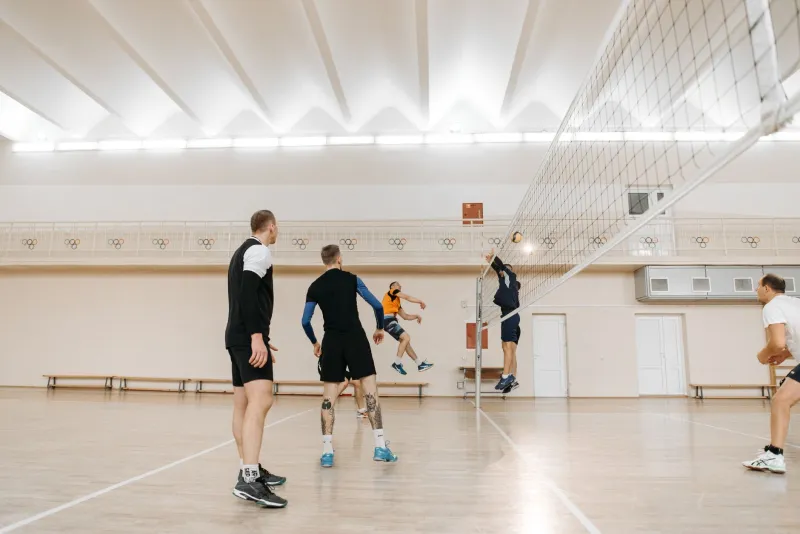
Photo: Todd Ryburn from Bloomington, IL, United States, CC BY 2.0, via Wikimedia Commons
There is a moment before a newcomer ever touches a volleyball that often decides whether they come back. It is not the first serve, the first shank or the first time they forget to call a ball. It is the moment they look at a club welcome message and see a list: court shoes, knee pads, a decent ball, a kit bag, maybe ankle support. For plenty of people, that list is the end of the conversation.
That is why a quiet but very practical idea is spreading through UK grassroots volleyball: the kit library. Not a lost-property box with one odd kneepad and a flat ball. A proper loan pool, run with labels, sign-out sheets and a washable-pad policy, so a first-timer can try the sport without spending £80 before they know whether they like it.
The shopping list that stops people before the first serve
Volleyball has a low barrier in theory. A net, a court and a ball. In practice, club night comes with kit expectations. Knee pads are almost non-negotiable once you start dropping into defence. Court shoes matter more than trainers on a polished leisure-centre floor. A ball you can borrow for a week helps. A bag to carry it all in sounds trivial until you are the person turning up with a supermarket carrier bag and a pair of running shoes.
A kit library does not pretend those things are free. It just removes the audition. Newcomers can borrow the basics for a session, a month or a full season while they work out what they actually need. Clubs then get a better look at the player, not just the person who could afford the full start-up pack.
Why the best kit cupboards feel like a welcome desk
The strongest versions of this idea are not charity drives. They are part of the welcome. A newcomer arrives, gets a pad size, a ball and a quick explanation of the return rules, and then gets on with the business of playing. That first interaction says more than a poster about being inclusive. It says the club has thought about what it costs to walk through the door.
It also helps retention in a way that is hard to measure but easy to spot. Players who feel kitted out stand a little taller. They stop worrying about sliding in a pair of old trainers. They borrow a ball, practise a bit between sessions and come back with questions. The kit library is not coaching, but it clears a path to coaching.
The mechanics: labels, ledgers and a return bin
The clubs that make this work tend to keep it boring. Every item gets a number, a size and a club label. A simple sign-out sheet sits in a folder or a shared spreadsheet, with name, contact details, item number and return date. Some clubs use a WhatsApp group and a photo of the sheet; others have a laminated list and a pen tied to a cupboard. The method matters less than the habit.
A return bin is useful. So is a named kit marshal — one person who checks the sheet, chases the odd missing pad and decides when a ball needs pumping or retiring. Deposits are optional and often more trouble than they are worth at grassroots level. Most clubs find that a clear return date and a friendly reminder do the job.
Hygiene is the whole ball game
Shared kit only works if people trust it. Knee pads should be washable and washed. A simple policy — wear socks with loan shoes, wipe shoes after use, spray and air pads, wipe balls — covers most of it. Clubs should avoid lending socks, shorts or anything that cannot be properly cleaned. A dry, ventilated store helps more than a cupboard that smells like a wet gym bag.
Some clubs separate junior and senior loan stock. Others keep a small shoe range in the most common sizes and accept that shoes are the hardest item to run well. If shoes are too much, start with pads, balls and bags. A decent knee pad and a ball will get most beginners through the first month.
Storage: from a village-hall cupboard to a proper kit cage
Storage is where good intentions go to die. A pile of pads in the corner of a village hall is not a library; it is a rummage. Labelled boxes by size, a hanging shoe organiser and a shelf for balls make the whole thing usable. Clubs with a leisure-centre base often negotiate a lockable cage or a cupboard. Clubs with no permanent home use a portable kit crate and a volunteer who brings it to sessions.
A dehumidifier or moisture absorber is a small investment if the store is damp. So is a decent ball pump. The aim is not a pro-shop setup. It is a cupboard where a volunteer can find a medium pad in under a minute.
Donations, dead stock and the club-room politics
Most kit libraries start with donations. Leavers hand in pads. Parents bring outgrown shoes. Lost property gets a second life after a reasonable wait. Senior players upgrade and donate the old ball. The politics arrive when the loan stock starts looking like a free shop. Clear rules help: loan kit is for newcomers and members in need, not a permanent upgrade service. Senior teams do not raid the junior cupboard. Returns go in the bin, not back on the shelf unwashed.
It also helps to name who owns the scheme. A club committee can approve a small budget for replacements, or the library can run on donations and a yearly kit sale. The important thing is that someone is accountable for the stock and that the club agrees the rules before the first pad goes missing.
The retention maths that clubs keep rediscovering
A kit library is not free, but it is cheap compared with replacing a lost player. One retained newcomer can cover a season of subs, match fees and club socials. Multiply that by a few and the loan cupboard starts to look like one of the best-value retention tools in grassroots volleyball. It also helps clubs reach people who would otherwise rule themselves out: students, parents returning to sport, players between jobs, anyone who needs a season to find their feet.
Start small, label everything
The best time to start is before the next beginner session. Ask members for donations. Buy a few washable pads and two or three good balls. Find a lockable cupboard. Write a one-page policy. Appoint a kit marshal. Then tell newcomers the club has kit they can borrow. No ceremony, no big launch — just a clear line in the welcome message.
Volleyball in the UK does not need every club to run a full kit shop. It needs more clubs to remove the small, silly barriers that make a first session feel like a commitment. A borrowed pair of pads will not turn a beginner into a Super League player. But it might get them through the door, and that is where every volleyball story starts.