Sand Between the Bins: How Student Clubs Turned Car Parks Into Volleyball's Best Shop Window
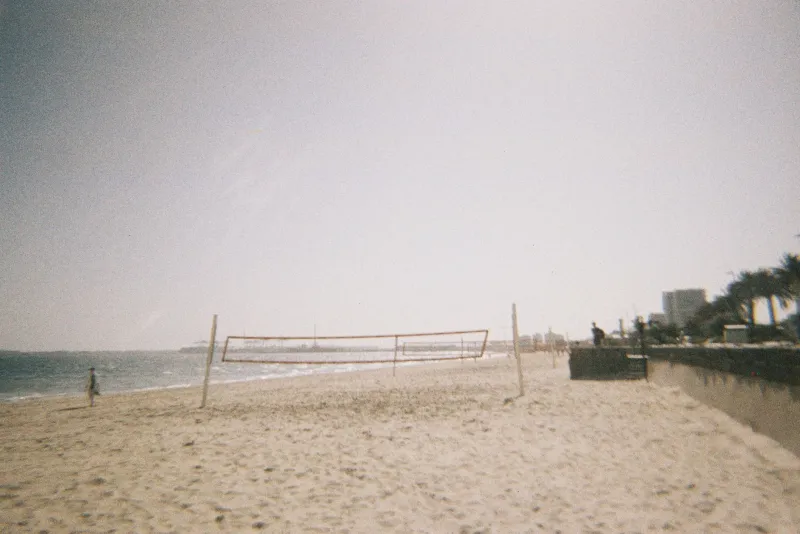
Saturday morning, city centre. A multi-storey car park roof, twelve tonnes of sand, one net, two lamp posts and a student club treasurer with a rake. By eleven o'clock there is a queue of people who have never played volleyball in their lives, and by two o'clock the club has a sign-up sheet longer than its committee meeting minutes.
Urban beach volleyball has quietly become one of the best recruitment tools in the UK game. It is not a new idea — sand courts have been popping up at festivals and seaside towns for years — but the recent wave is different. It is happening in cities, on hard surfaces, in spaces that were never designed for sport. And the people making it happen are often university clubs with a van, a sponsor and a willingness to ring the council.
Why sand sells
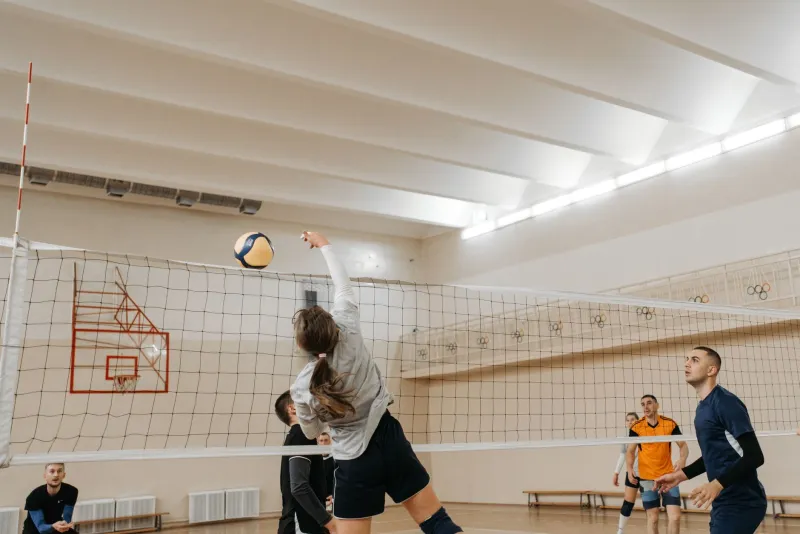
Indoor volleyball has a visibility problem. A sports hall is behind a door, down a corridor and past a reception desk. A beach court in a city square is the opposite: noise, colour, a net against the skyline and people diving about in shorts in the middle of a shopping trip.
That spectacle does the marketing for you. Passers-by stop. They film it. They ask if they can have a go. The barrier to entry is low — no membership, no hall hire, no kit beyond trainers and a willingness to get sand in places sand should not go. For a student club trying to convert curious freshers into committed players, that is gold.
The campus version
Universities are natural hosts. They have city-centre sites, estates teams who understand permits, student unions looking for welcome-week content and clubs desperate for a pre-season boost. A car park roof, a courtyard or a bit of unused land behind the sports centre can become a temporary beach court for a weekend.
Clubs that do it well run it as a funnel rather than a one-off. A free taster session leads to a six-week beginner block, which leads to a social league, which leads to the indoor club. Capturing contact details matters more than the number of people who turn up on the day. The point is not the sand; the point is what happens after the sand is swept up.
The boring bits that decide whether it works
Instagram never shows the risk assessment. Here is what actually matters.
Sand is not just sand. You want washed, dust-free sand that drains, not builder's sand that turns into a brick. Check the spec with the supplier, and think about how you will store or remove it afterwards.
Weather is the biggest variable. Wind lifts nets and sand; rain turns a car park into a hazard. Have a contingency plan — a shorter session, a covered space, or a clear call-off point that everyone knows in advance.
Permissions take time. Council events teams, landlords, university estates and insurers all need to be talked to early. A pop-up court is a temporary event, and it needs a temporary event plan: first aid, toilets, changing, lighting, noise, litter and safeguarding.
Insurance is not optional. Check that your policy covers beach volleyball, temporary structures and public participation. If it does not, fix it before you announce the date.
Partnerships make or break it
A club cannot do this alone, and it should not try. Business improvement districts, councils, landlords, student unions and local sports partnerships all have an interest in city-centre activity that looks good and costs little. A local sand supplier might sponsor the court in exchange for signage. A nearby café might provide water and toilets. The university might provide storage.
The clubs that succeed are the ones that treat the event as a partnership rather than a favour. That means early conversations, clear plans and a follow-up thank-you.
From pop-up to pathway
The trap is treating the beach session as a novelty. Fun is necessary but not sufficient. The best events have a visible next step: a QR code, a sign-up sheet, a beginner session the following week and a named person to contact.
Buddy systems help. Pair a curious newcomer with a club member for the first session. Run a simple round-robin rather than a serious competition. Keep the rules light and the coaching light, and let people discover that volleyball is more fun than they remembered from school.
Your city sand checklist
- Recce the site and check access, drainage, wind and footfall.
- Get permission in writing and confirm insurance cover.
- Agree the sand spec and a plan for removal or storage.
- Write a risk assessment and a weather call-off plan.
- Rota your volunteers, including first aid and a welcome desk.
- Capture details and follow up within 48 hours.
- Thank your partners publicly, then start planning the next one.
The forecast
Urban beach volleyball is not a replacement for indoor clubs; it is a front door to them. The clubs that borrow the format, keep it simple and treat it as recruitment rather than a party will be the ones who benefit. The sand is temporary. The sign-ups are not.