The November Tide: How Beach Players Are Reshaping UK Indoor Club Nights

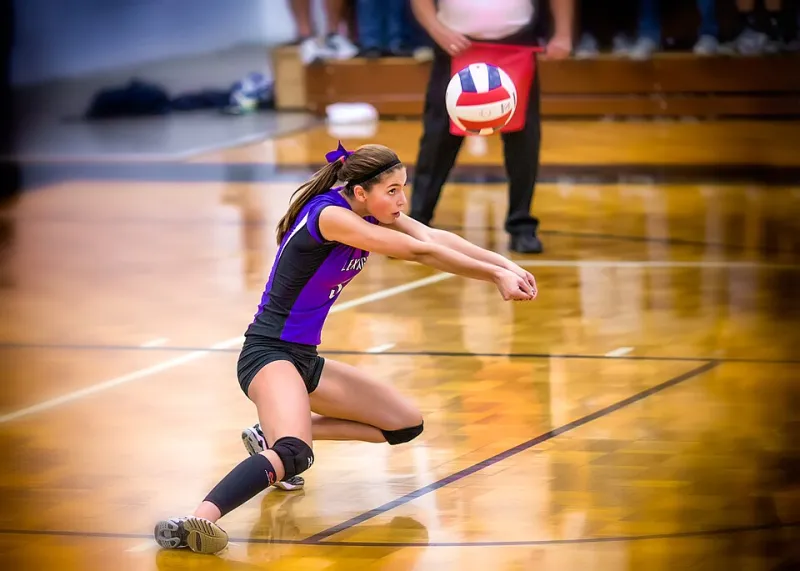
Photo by Photo by Stuart Frisby on Unsplash on Unsplash
The tide turns indoors
By mid-November 2026, the beach volleyball season has largely packed itself away. The nets at Boscombe, Brighton, Cardiff Bay and a hundred smaller outdoor spots are down or waiting for braver souls with decent wetsuits. But the players have not disappeared. They are turning up at sports halls, leisure centres and university courts across the UK, looking for a game, some fitness and — whether they say it out loud or not — a team.
Club nights are where this migration shows up first. A Tuesday rec session that had ten regulars in October can suddenly have eighteen in November, with a handful of unfamiliar faces carrying beach tans and a slightly different way of moving. Some are strong. Some are rusty indoors. Most are keen. And how clubs handle that influx will decide whether it becomes a short-term winter blip or a proper recruiting win.
What beach habits actually travel
Beach players arrive with habits that indoor clubs should value more than they often do. The two-a-side game forces every player to touch the ball, read the play and communicate. There is no hiding on a beach court. You serve, you pass, you set, you hit, you defend, and you do it in the same rally. That all-court instinct is useful in a hall, even if the systems around it are different.
They also tend to talk. Beach volleyball is loud in the best way: early calls, constant adjustments, honest feedback between partners. Drop that into a club night and it can lift the whole room. Sand-trained players are often comfortable taking responsibility for a ball rather than waiting for someone else to claim it. They read hitters, scramble for rebounds and stay in rallies longer than their indoor experience might suggest.
There is a physical toughness too, though it is not always the kind that transfers smoothly. Sand is forgiving on landing but demanding on movement. Indoor floors are the opposite. Beach players may be fit, but their knees, shins and ankles need time to adjust to repeated jumps on a harder surface.
Where the friction starts
Indoor volleyball is not beach volleyball with a roof. The obvious differences — six players, rotations, specialised positions, blocking systems — are the ones that cause the first bit of confusion. A beach player who is used to covering the whole court can look lost in a six-a-side rotation, or over-eager to chase balls that belong to a teammate. A player who has spent all summer setting in a two-person game may find indoor setting rules, tempo and net play a different language.
Then there is the pace. Indoor rallies can be faster, the block is bigger and the court is more crowded. Beach players often have excellent ball control but need reps to learn where to stand in defence, how to close a block and when to release into transition. Footwear matters too. Someone turning up in running shoes is not ready for a club night, and a club that does not say so gently is asking for a rolled ankle.
The social friction is subtler. Established club nights can feel like closed circles. Regulars know the drills, the rotation rules and the post-session pub routine. A beach player walking in for the first time might be a very good volleyballer and still feel like an outsider. If clubs treat them as extra bodies to fill a court rather than people to onboard, they will get a few weeks of numbers and nothing more.
The onboarding fix
The clubs making this work are not doing anything glamorous. They are just being deliberate. A short welcome message before the first session helps: what to bring, what the night looks like, whether it is rec or league-focused, and who to ask for at the door. A buddy system is even better. One regular player assigned to a newcomer for the evening does more for retention than a hundred posters.
Coaches can also build a simple bridge. Before the first match, explain rotations and the basic defensive shape. Run a drill that lets beach players use their strengths — serve-receive, scramble defence, transition hitting — while introducing indoor structure. Give them one or two roles to focus on rather than a full playbook. And ask about their background. A beach player with five years of outdoor experience is not a beginner, even if they have never played a six-a-side league match.
Load management matters. Clubs should encourage proper indoor shoes, suggest knee pads and build in a decent warm-up. The first few weeks on a hard floor can expose calves and knees that were happy on sand all summer. A gentle check-in after sessions is not mollycoddling; it is good club management.
From stopgap to signing
The real opportunity is not filling a court in November. It is turning a seasonal visitor into a club member. Beach players often want exactly what indoor clubs struggle to provide: regular games, a social circle and a reason to keep training through the darker months. If a club can offer a clear pathway — rec night, then league training, then maybe summer beach sessions or coaching and officiating roles — it becomes more than a winter waiting room.
That means collecting contact details, signposting the next session and making the social side visible. It means not treating beach players as temporary cover who disappear when the sand warms up. Some will go back outside in April, and that is fine. But plenty will stay if the hall feels like somewhere they belong.
UK volleyball has spent years talking about participation and retention. The November tide is a small, practical version of both. Beach courts go quiet, indoor halls get busier, and clubs get a fresh look at players who already love the game. The ones who welcome them properly will not just survive the winter. They will come out of it with a stronger squad, a wider volunteer base and a few more voices calling the ball.