Dawn Patrol: How UK Volleyball Clubs Are Turning 6am Into a Competitive Edge
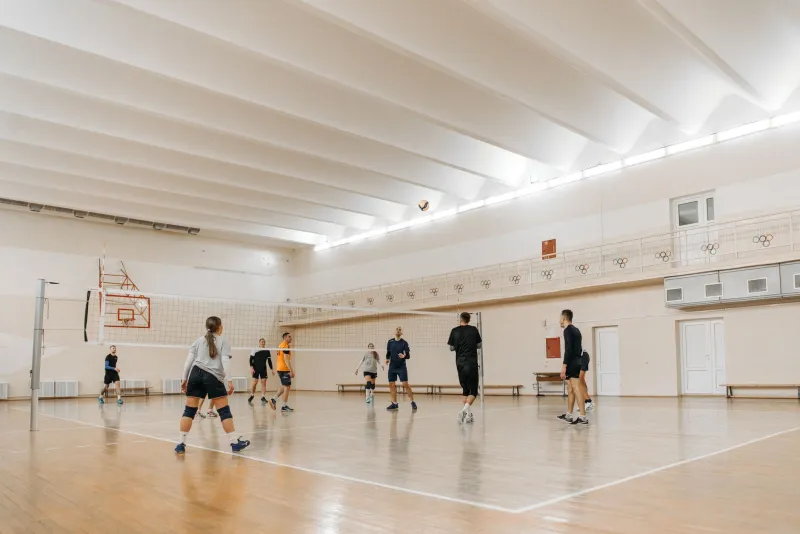
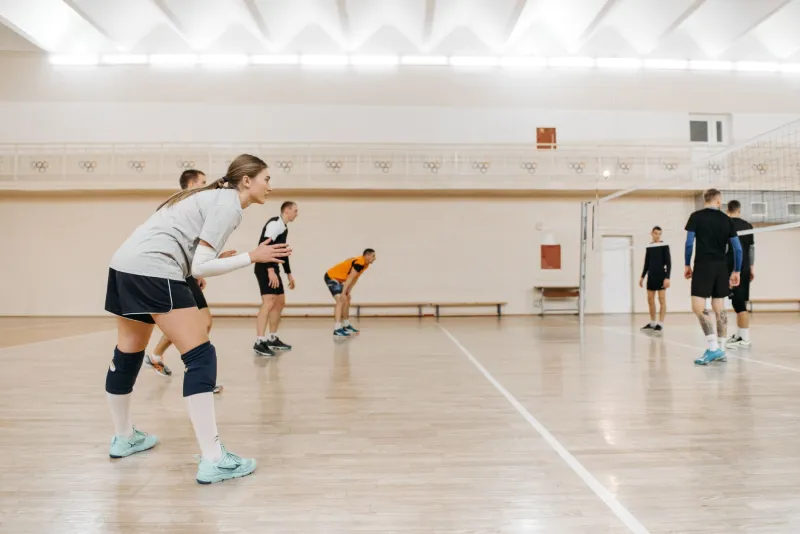
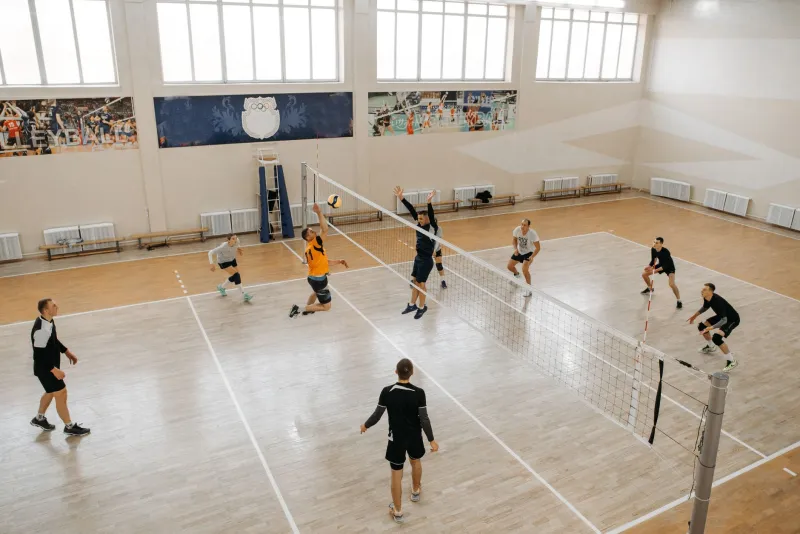
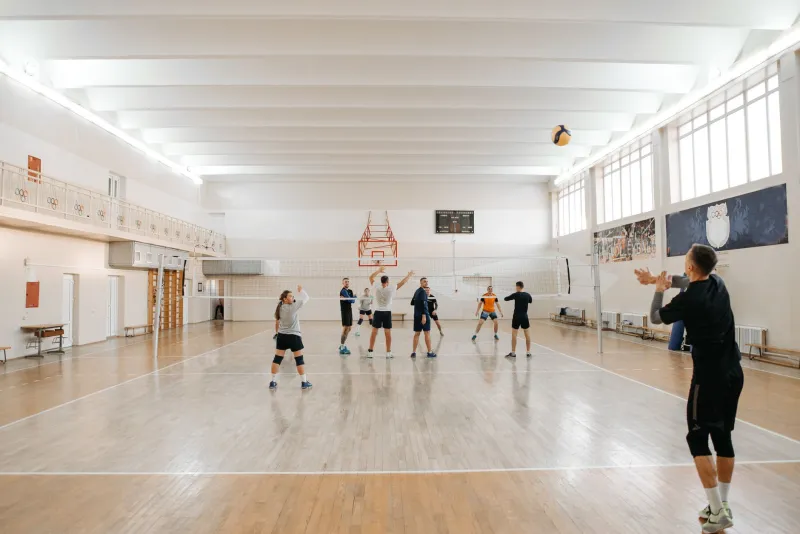
There is a particular kind of quiet in a sports hall at 6am. The heating is still waking up, the net is half-tensioned, and the only sound is a ball being passed against a wall. Then the doors swing open, coffee cups appear, and a volleyball team gets to work before most of the country has hit snooze.
Across the UK, early-morning training is no longer a quirky exception. Coaches at clubs from Leeds to Bristol and Manchester to Glasgow are moving selected sessions to dawn slots — and, in many cases, finding that the change does more than free up evening court time. It is reshaping the way teams prepare, bond and compete.
Why 6am, Why Now?
Court time is the obvious driver. Sports halls are busy, evening slots are expensive, and the 2026-27 season has packed fixtures into weekends and midweek evenings. But the coaches who have embraced the early shift say the real benefit is less logistical than psychological. A 6am session is hard to half-commit to. Players arrive with kit already packed, water filled and mind focused because there is no time for a slow drift into training.
'You find out a lot about a squad at 6am,' says one regional coach who runs a weekly dawn session for a Super League development group. 'Nobody is there to be seen. They are there because they want to touch the ball, get better and then go to work. That honesty carries into matches.'
There is a competitive edge, too. British volleyball's most improved sides often talk about contact time — the number of meaningful touches on the ball each week. Dawn sessions add an extra block without eating into family time or weekend fixtures. For players balancing jobs, study and long commutes, a 6am start can be easier to protect than an 8pm finish.
The Team Effect
Early training changes group dynamics. Players who might not chat much before an evening session end up sharing lifts, coffee and a quiet warm-up. The hierarchy softens. A first-team regular and a reserve player are both trying to find the same thing at 6am: rhythm, focus and a reason to be awake.
That shared effort builds tighter teams. Coaches report fewer late arrivals, better attention during technical work and a stronger sense of accountability. When one player misses a dawn session, the group notices. When someone turns up with a spare set of resistance bands or a flask of tea for the group, it matters.
'It feels like a small club within the club,' says a player at a National League side in the Midlands. 'You get a laugh on the drive in, you do the work, and you are back home or at your desk by 8.30. By the time everyone else is starting their day, you have already won something.'
The Burnout Trap
Dawn training is not automatically virtuous. Slept badly? Not eaten properly? Started a new job? A 6am session can tip a player from sharp to shattered. The clubs making it work are careful about load. They keep the first 20 minutes low-impact, use short, focused blocks and avoid turning every session into a fitness test.
Coaches also watch the signs of overreach: repeated niggles, dropped intensity, irritability and players who suddenly stop showing up. The best early sessions finish with a clear end point, a proper cool-down and permission to leave. Nobody is rewarded for hanging around looking heroic.
Starting Your Own Dawn Club
If your team is curious about a 6am trial, start small. Run a four-week block rather than a permanent change. Pick one day, book the hall, and plan a session you could deliver half-asleep: serving, passing, a simple transition drill and a short game. Keep the first one to 75 minutes.
Build a routine around the routine. Lay out kit the night before. Prepare breakfast. Share lifts. Agree a group chat rule that silence before 6am is not rudeness. And make the coffee genuinely good — it is not a performance enhancer, but it is a morale strategy.
Most importantly, treat early training as a tool, not a badge. It works when it adds quality without stealing recovery. The clubs getting it right are not simply training harder before breakfast. They are training smarter at a time when distractions are low and intentions are clear.
As the winter mornings bite and the season grinds on, that early hall may look less like punishment and more like an advantage. The ball is up, the net is set, and the day has not even started.