The Comeback Court: Walking Volleyball’s Quiet Rise Is Changing Club Life
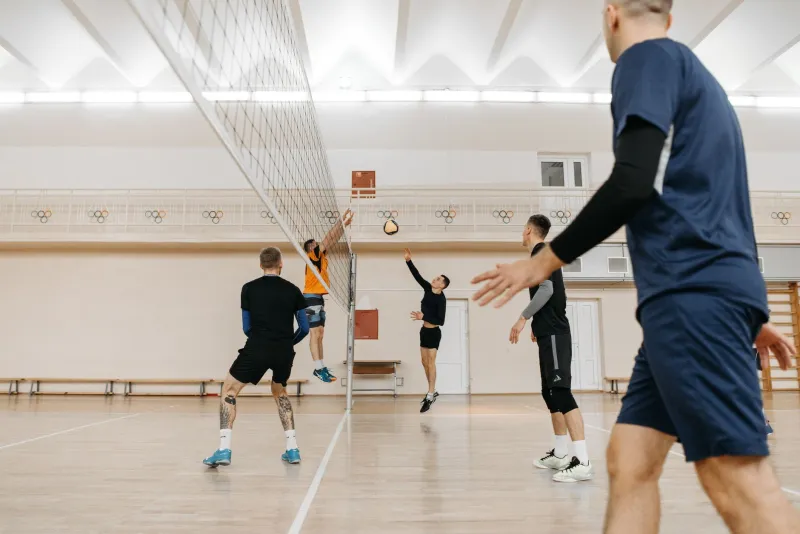
Picture a sports hall on a weekday morning. The net is lower than usual. The players are chatting, stretching, comparing knee supports and debating whether the third ball was in or out. Nobody is warming up for a slam. Nobody is sprinting into a pipe attack. And yet the rally goes on, and on, and on.
This is walking volleyball, one of the quietest growth areas in the UK game. It sits alongside the masters scene — over-35, over-45, over-55 and beyond — and it is doing something that every club should care about: it is bringing people back to volleyball after injury, parenthood, work pressure or a long break from the sport.
The hall at 10am
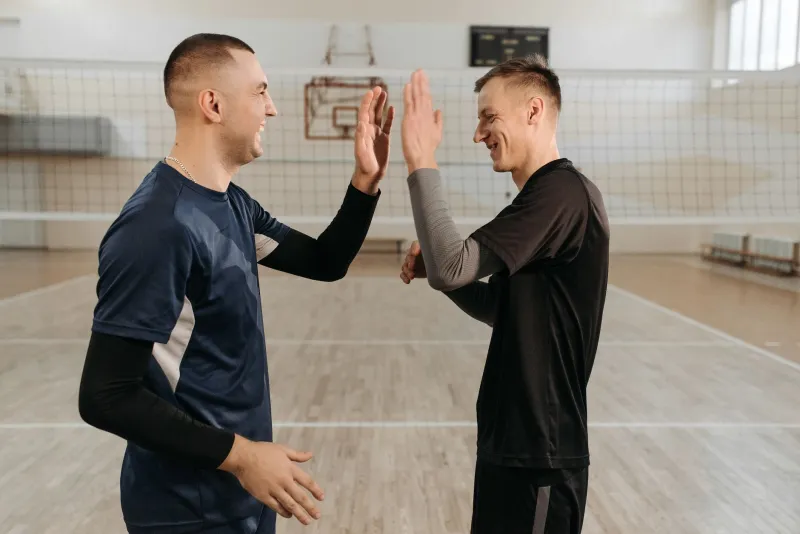
Walk into a walking volleyball session and the first thing you notice is the noise. Not the explosive noise of a Super League warm-up, but the constant chatter of a group that knows each other. A player who has not competed since university is guiding a ball over the net. Someone else is laughing about their first serve in a decade. A coach is standing at the side, not barking instructions, just nudging the shape of the rally.
The format is flexible, which is part of the appeal. Most sessions use a lower net, a smaller court or modified serving rules. Jumping is out. Running is limited. The ball can be kept alive with control rather than power. Local variations exist, and that is fine — the point is to make the game playable for people who still want the tactical challenge of volleyball without the landing impact.
The rules are different, the intensity is not
Outsiders sometimes assume walking volleyball is volleyball-lite. It is not. Take away the jump and the game becomes more about placement, communication and patience. A good walking volleyball player can read the court, find the gap and keep a rally going until the opposition cracks. The best sessions are competitive in the best sense: close scores, plenty of banter, and a proper respect for the craft.
That competitiveness matters for masters teams, too. Masters volleyball is not a nostalgic kickabout. The age-group categories give players a reason to train, travel and compete. Clubs that run masters sides often find that the players are among the most committed members in the building. They turn up on time, they volunteer, they mentor younger players and they know exactly how to look after a hall booking.
Why returning players are club gold
One of the most common stories in walking volleyball is the comeback. A player stops in their twenties because of a knee injury. Another steps away when children arrive. A third moves to a new town and never quite finds a club that fits. Walking volleyball and masters sessions give those players a route back in without asking them to pretend they are eighteen again.
That has a direct effect on club sustainability. A club with a walking session can use daytime or off-peak hall time that would otherwise sit empty. It can keep experienced players involved as coaches, scorers, committee members and social anchors. It can offer a pathway for parents who watch junior sessions from the balcony and quietly wish they were playing. And it can build a wider membership base that helps cover the fixed costs that every treasurer knows too well.
Starting a session without reinventing the wheel
The clubs that have made this work tend to start small and stay practical. A ninety-minute taster session is enough. So is a partnership with a local leisure centre that has a quiet weekday slot and a net that can be lowered safely.
A sensible checklist looks like this:
- Find a hall with a suitable floor, net points and good access. Ask about storage and whether the net height can be adjusted.
- Agree the rules before the first session. Lower net, no jumping, modified serve, and a clear approach to rotation. Keep it simple and write it down.
- Check insurance and affiliation. If the session is part of a club, make sure the activity is covered and that the right safeguarding and first aid arrangements are in place.
- Recruit one confident coach or lead volunteer. They do not need to run an elite drill session; they need to explain the format, keep the rally safe and help newcomers feel welcome.
- Price it honestly. A pay-as-you-go option often works better than a full-season commitment for people testing the water.
- Build the social side. Tea, coffee and a chair near the court can do more for retention than a fancy flyer.
In 2026, the pitch to venues is stronger than it might seem. A well-run daytime session brings regular footfall, a reliable booking and a friendly community atmosphere. For the club, it brings a new membership stream and a way to use the hall beyond the usual evening crush.
Competition is closer than you think
Walking volleyball and masters teams are not just social groups. Friendlies are springing up, festivals are taking shape, and masters competitions give players a target beyond the weekly session. The standard can be surprisingly high. Experienced players who have lost a step still know where to put the ball. Newcomers learn quickly because the rallies are longer and the feedback is immediate.
That mix is the secret. A walking session can welcome a complete beginner and still give a former national-league player a decent workout. A masters team can be competitive without being exclusive. The result is a corner of the sport that is more serious than outsiders assume and more welcoming than many traditional club environments manage to be.
The quiet boom worth watching
UK volleyball spends a lot of time talking about the talent pipeline, the referee shortage and the cost of keeping clubs alive. All of those issues are real. But the walking volleyball and masters boom offers a different kind of answer: keep the people you already have, and give them a game that still feels like volleyball.
That is why the 10am session matters. It is not a side project or a soft option. It is a comeback court, a community hub and a sustainability plan rolled into one. And in halls up and down the country, it is filling up.